Think about everyone who will hear one resident's story in a single week. Picture a man named Walt, a retired lineman, eighty-four, three months into memory care.
On Monday he tells the tablet about the ice storm of 1979, when he worked thirty hours straight on the poles. On Tuesday his daughter listens to it in her car outside her office and cries a little, because she was six that winter and only remembers that Dad was gone. His grandson in Denver hears it on Wednesday and sends back a voice note: "Grandpa, I climb for work too, I had no idea." The aide who shaves Walt on Thursday read one line about the storm on his door card. She asks about it, and for once the shave isn't a fight. On Friday the activity director notices three other residents worked outdoors through hard winters and plans a coffee hour about it.
Walt is illustrative. The chain is the point. A lot of different people are joined by one story, and each of them needs something different from it. This series has a piece for each of them: what they bring, what they get, and what to do this week, with or without Porchlight.
At the center
The person whose story it is, and the people who love them.
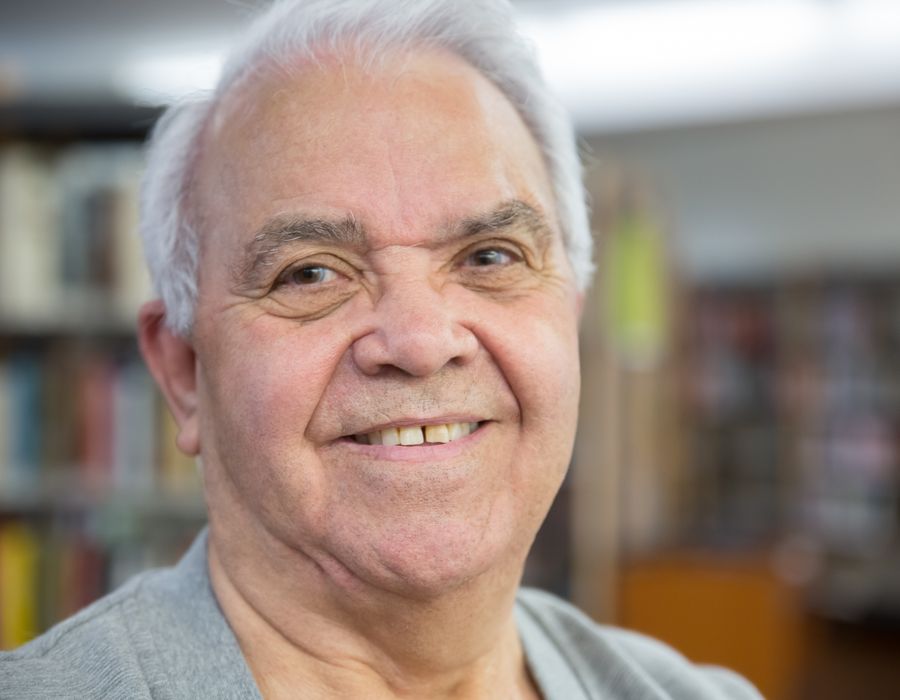
Your story, your say
For the person whose story it is: what telling it is like, what you control, and who gets to hear it.
Read the article →
Married, down the hall
For the husband or wife who visits every day: your shared story, your limits, and how to make sure staff know the person you married.
Read the article →
After the move: for the son or daughter
Move-in day is done and the guilt is not. What helps you, your parent and the staff now that you are partners in care.
Read the article →
Ask before it's late: for grandchildren
For teens and young adults: how to get a grandparent talking, what to record, and why you will want it at forty.
Read the article →On every shift
The people who spend the day with residents and need to know who they are.
For CNAs and caregivers: three lines that change a shift
You spend more hours with residents than anyone. Here is why knowing one true thing about them makes the hardest parts of the day easier.
Read the article →
For activity directors: the story is your raw material
Life enrichment runs on knowing what people loved. How residents' own stories can feed your calendar, your newsletter and your assessments without more work.
Read the article →
For directors of nursing: knowledge that survives the schedule
Your aides change faster than your care plans. Why the person on shift needs a resident's story, and how to get it there without more charting.
Read the article →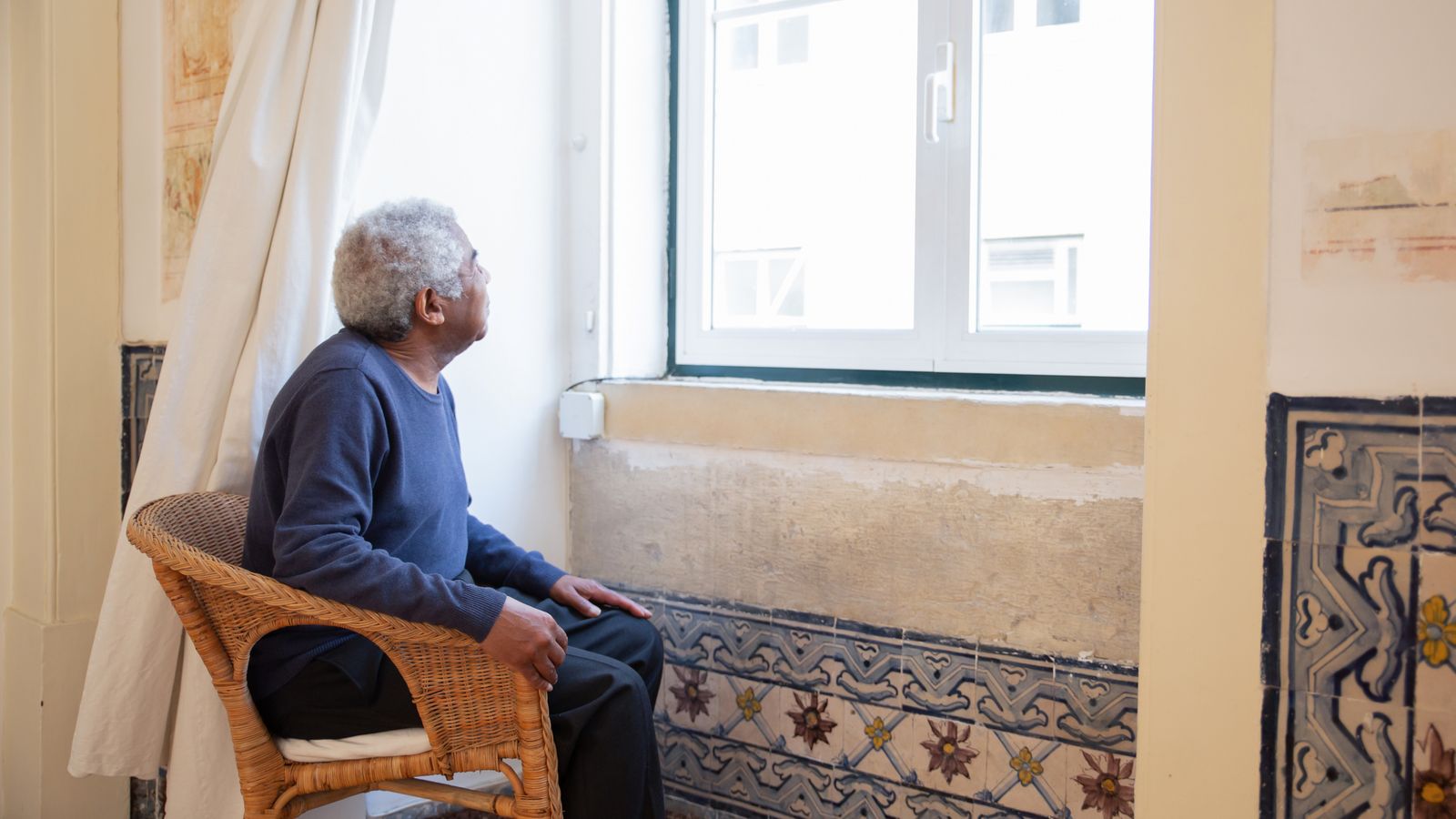
For memory care directors: who she is now
Identity, the most anxious families in the building, and stories from people who can no longer tell them. What the evidence says and how to do it with dignity.
Read the article →For social workers: the history behind the assessment
Admission, care conferences, family conflict, grief. Where a resident's own story helps the psychosocial work, and where consent and trauma need care.
Read the article →
For everyone who says good morning
Dining, housekeeping, maintenance, the front desk. You are often the steadiest faces in a resident's day. Why one sentence about their life matters to you too.
Read the article →Running the place
The people who decide what a community is, and what it says about itself.

For executive directors: a building that knows its people
Occupancy, family trust, survey readiness and a staff that stays. What knowing every resident's story can and can't do for the numbers you answer for.
Read the article →For sales and marketing directors: show, don't stage
Every family on a tour wants to know if their person will be known. How to show it honestly, why consent comes before any story, and why faking it backfires.
Read the article →For adult family home owners
In a six-bed home you are the care team, the activity director and the family liaison. How life stories make that easier.
Read the article →Coming alongside
The people who arrive from outside and stay for the hard parts.
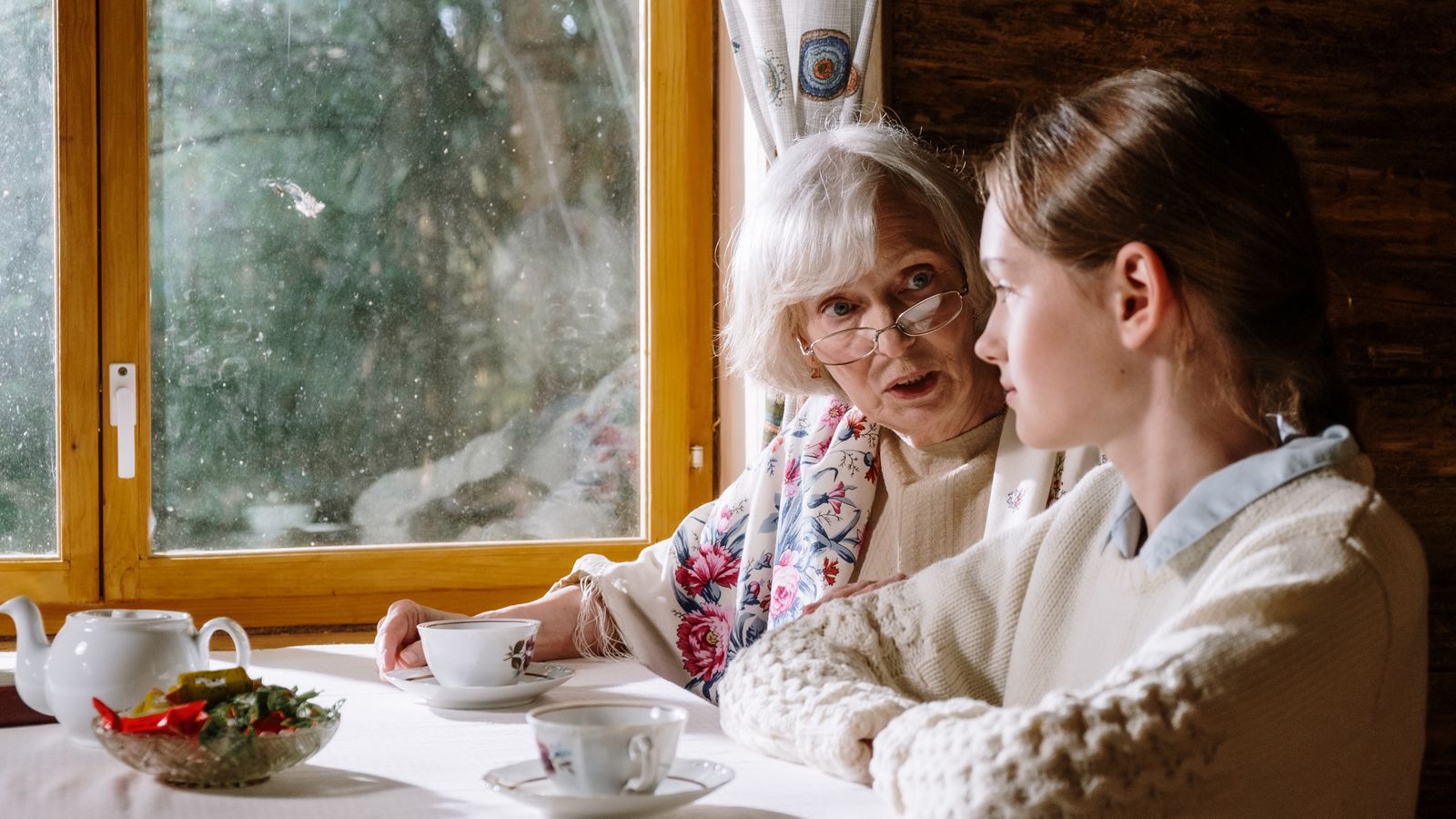
For volunteers and students
Friendly visitors, student programs, faith groups: how to listen to an older person's story well, and what never to do.
Read the article →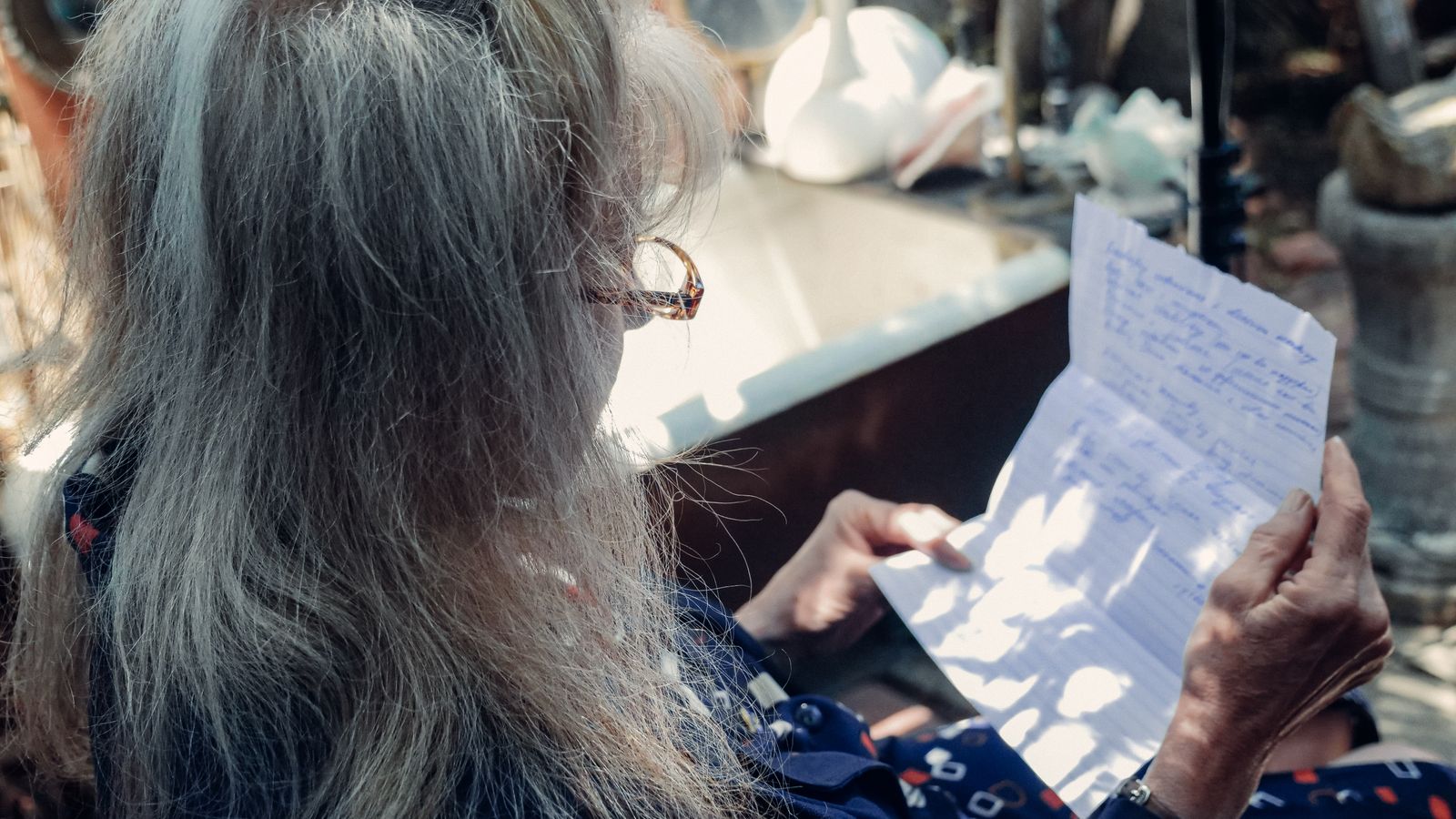
For hospice teams and chaplains
Legacy work at the end of life: what Dignity Therapy research really found, why the family benefit is the strongest, and how to start early.
Read the article →The case for your story
The companion series makes the argument step by step: why an ordinary life is worth writing down, why it belongs to the family, why being known makes care better, and where Porchlight fits. Read The case for your story.
One story, heard by everyone who matters
See how a resident's recordings become a family page, a staff briefing, and a door card.
Explore a live demo See the family sideWalt is an illustrative composite, not a real resident. Porchlight does not fabricate customers, testimonials, or outcome metrics. Each article cites its sources.