Picture a woman named Ruth. She is eighty-seven, and she moved into assisted living in March. If you ask her, she will tell you there is nothing much to say about her life. She raised three kids, kept the books for a lumber yard for thirty-one years, and buried a husband. Ordinary.
Her daughter knows a few of the stories and has heard maybe a tenth of them. The aide who helps Ruth dress at 6:40 every morning knows her room number, her medications and her fall risk. The aide does not know that Ruth did the lumber yard's payroll by hand, or that she still hums "Moon River" when she is nervous, or that she hates being called "sweetie."
Ruth is illustrative, but you have met her. Porchlight exists because of the gap between what Ruth carries and what the people around her know. This series makes the case for closing that gap, one step at a time. Each step has to be true on its own, so I have tried to argue it honestly, with the research and its limits.
An ordinary life is worth keeping. It belongs to the family. And when the people caring for you know it, care gets warmer.
An ordinary life is worth writing down
Most people think memoirs are for famous people. The research on life review says otherwise. Looking back over your life is a normal part of growing old. When it is structured and done with someone who listens, it is linked with modest, real gains in mood, meaning and a sense that your life added up. It is not magic, and it is not for everyone. The hard chapters need care. These reads make the case and say where it stops.
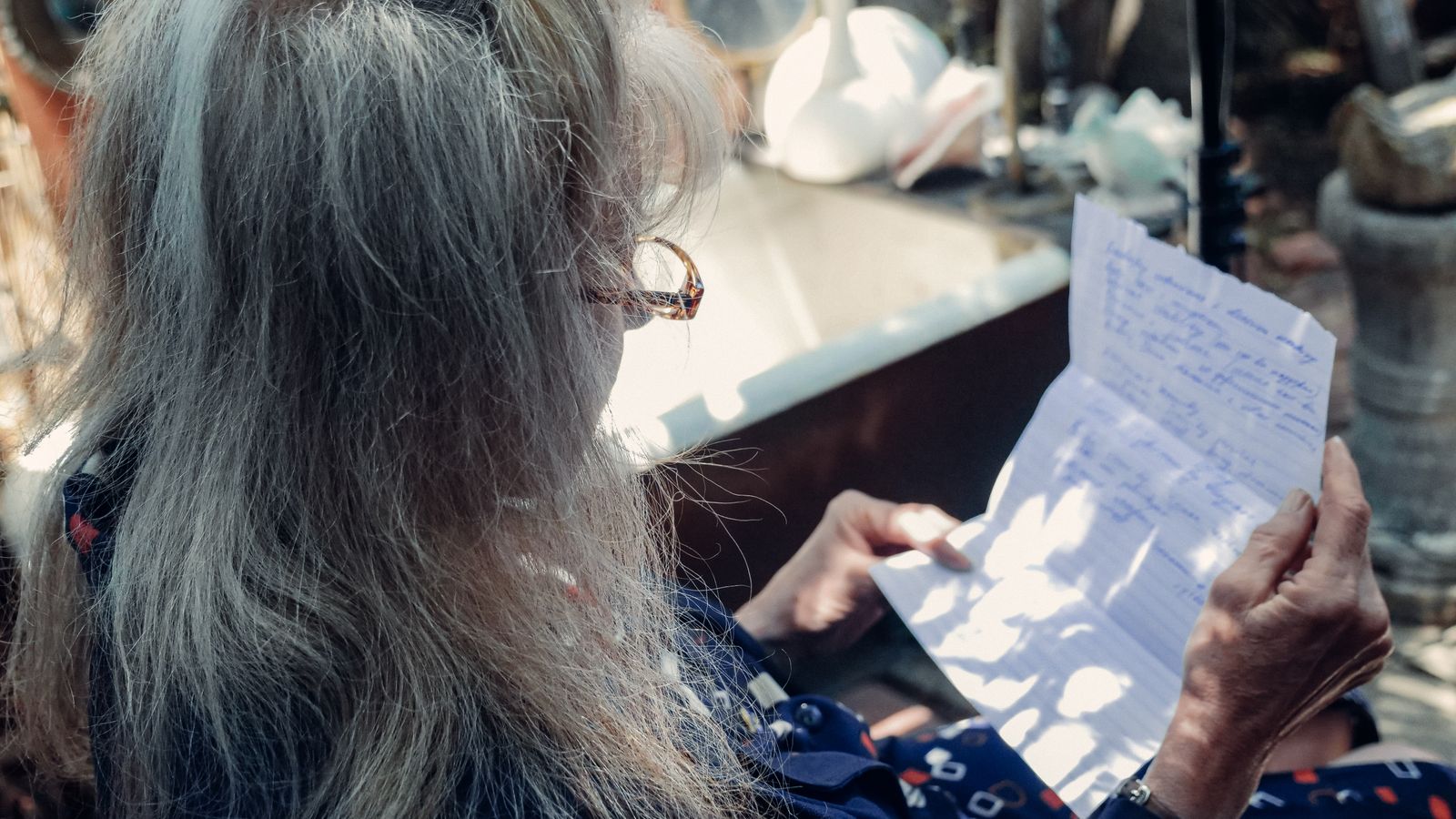
Why an ordinary life deserves a memoir
Memoirs aren't only for the famous. What telling your life does for you, honestly, and how to start.
Read the article →
"My life wasn't interesting"
A letter to the older person who thinks nobody wants to hear about them. Somebody does.
Read the article →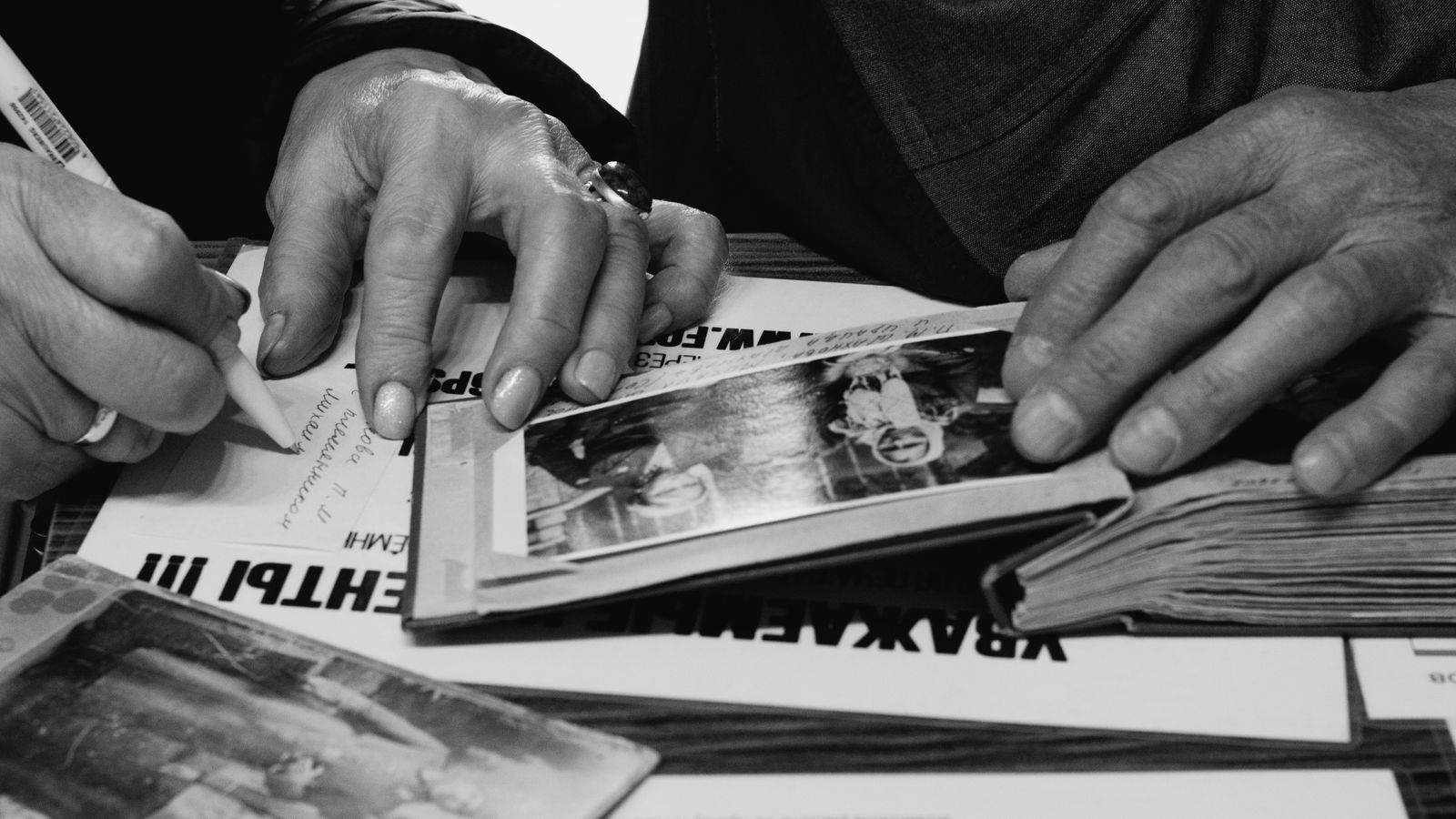
What the research says about telling your life story
Sixty years of studies on looking back, read honestly: real but modest effects, and the nulls too.
Read the article →
Telling the hard chapters
Grief, regret, war and old grudges: what to do with the painful parts, and why skipping is allowed.
Read the article →Your story belongs to your family
The person who tells the story gets something from telling it. The family gets something different: the voice, the details, and the answers to questions they will not think to ask until it is too late. In the largest trial of legacy work at the end of life, the clearest effects were on the family. Nearly half of American adults say they regret not recording someone they loved. These reads are about passing it on.
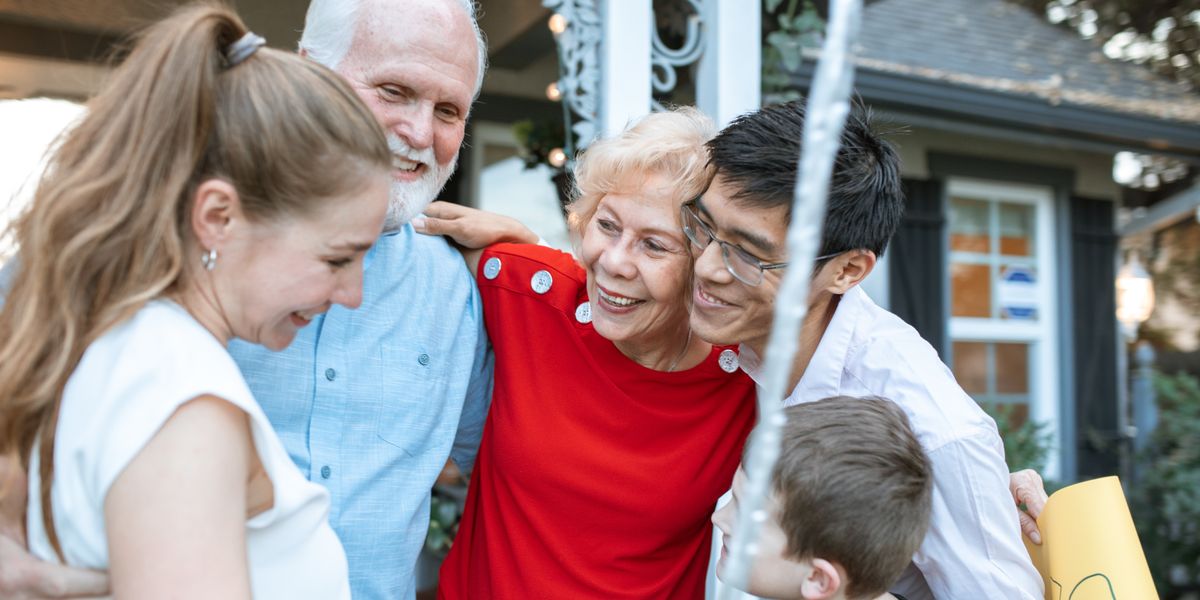
Why pass your story on to your family
The strongest evidence for a life story is what it gives the family left holding it.
Read the article →
What children gain from family stories
The "Do You Know?" research, read honestly, and why telling stories together matters more than any archive.
Read the article →
The voice you will want back
Nearly half of Americans regret not recording someone they lost. Why the voice matters, and how to keep it.
Read the article →Ways to leave your life story, compared
Letters, memoirs, prompt services, recordings, video: what each keeps, what it costs, where it stalls.
Read the article →Being known makes care better, and communities warmer
Federal rules already require nursing homes to assess a resident's life history. The research on person-centred care says knowing the person is where good care starts. But the research also says something uncomfortable: life-story documents mostly sit in binders, unread. Care improves only when the story reaches the aide on shift, in seconds, and turns into something they do differently. These reads make that case, and say what it takes.

Why your care team should know your story
Knowing the person is where good care starts. The evidence, the catch, and the four conditions that make it work.
Read the article →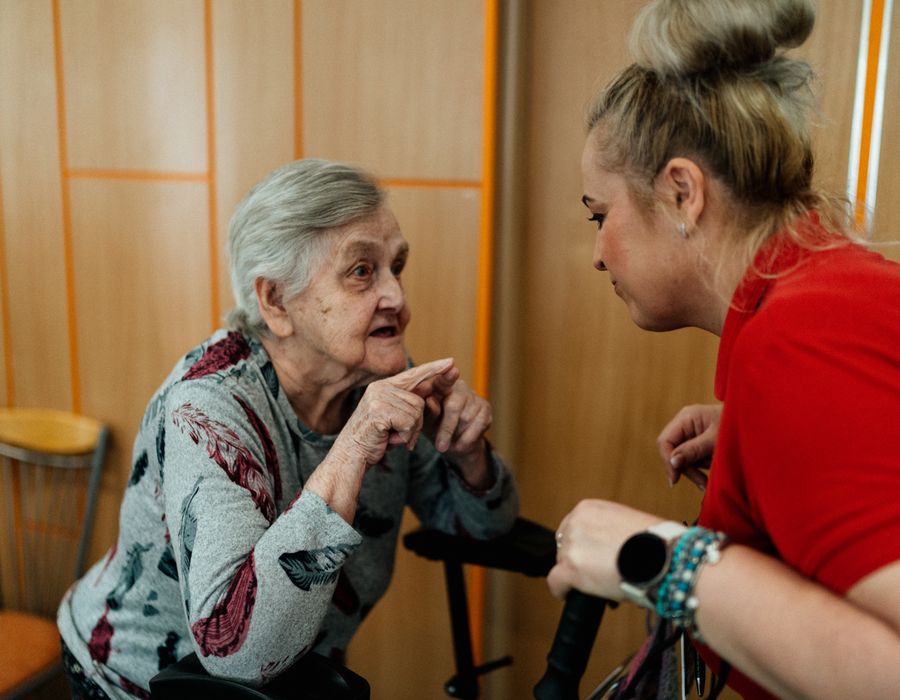
Staff turnover and the stranger at the door
The real turnover numbers in senior care, what they mean for a resident, and the five lines a new aide needs.
Read the article →Why life story binders go unread
Gridley's big finding: existence is not use. Six reasons the binder stays shut, and the fixes.
Read the article →
From story to care plan
How a resident's story becomes care actions: unmet needs, interest-matched activity, and a six-question template.
Read the article →
How stories change a community
Staff who see the person, families who feel heard, residents with something to talk about. And where it can go wrong.
Read the article →What the rules say about knowing a resident's life story
Life history is a required part of the nursing home assessment. What CMS and the states say, quoted, and the gap they leave.
Read the article →
The person before the diagnosis
Why the life story still matters after a dementia diagnosis, and how to use it without freezing someone in the past.
Read the article →Why Porchlight
Each step above is hard to do by hand. Someone has to ask the questions. Someone has to write it down. Someone has to get it to the family, and to the night shift, and to the new aide from the agency. Porchlight is my attempt to make the whole chain happen without adding hours to anyone's day: the resident talks, the family listens and answers, the staff get a briefing they can read before they knock. These reads explain how it works, what it does not do, and how to judge it against everything else.

Why Porchlight: making the whole chain happen
A story told, kept by family, known on the next shift, kept current. How each link usually breaks, and how we designed for it.
Read the article →What Porchlight does not do
Not therapy. No AI-chosen questions. No distress detection. No voice cloning. Our honest limits, and why we chose them.
Read the article →One story, many listeners
A founder's letter: let a person tell their story once, in their own voice, and let everyone who needs it hear it.
Read the article →
Choosing a life story program
Paper forms, interviews, volunteers, memoir services or a platform? What each is good at, and 12 questions to ask any vendor.
Read the article →Everyone on the porch
The same story is heard by a lot of different people: the resident, their husband or wife, the kids and grandkids, the aide, the activity director, the nurse, the person who runs the building. We wrote a companion series with one piece for each of them. Read Everyone on the porch.
See the whole chain in five minutes
Walk through a sample community: a resident's stories, the staff briefing they become, and the family page that answers back.
Explore a live demo Book a demoRuth is an illustrative composite, not a real resident. Porchlight does not fabricate customers, testimonials, or outcome metrics. Each article cites its sources.