
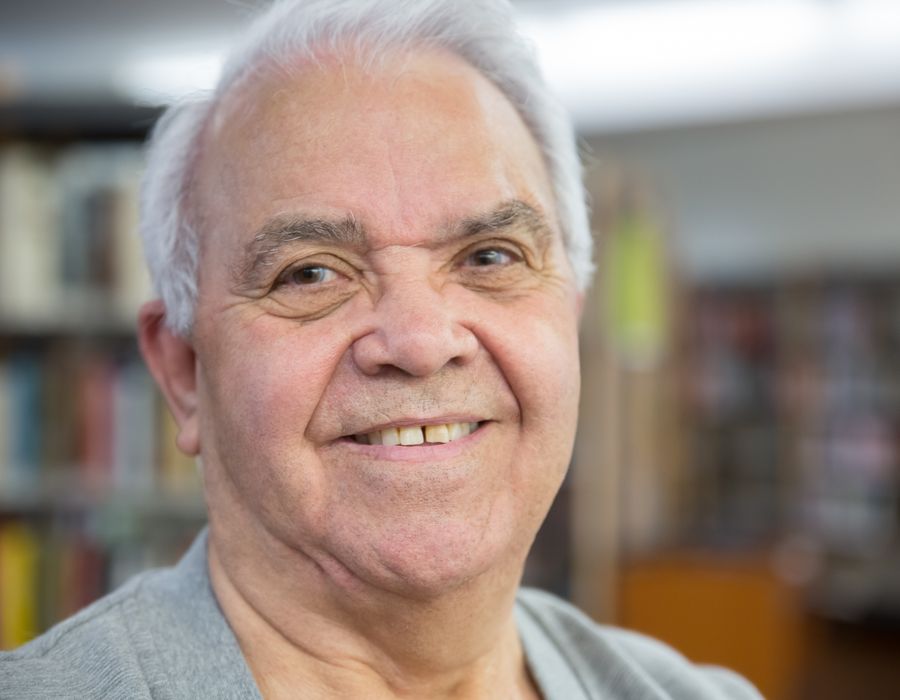
For the resident
One screen, one big button, questions read aloud. They feel asked-about, listened-to, and recognized — the quiet foundation of a happier, more satisfied resident who holds onto their sense of self.
The life-story tool built for the care team
Residents tap one big button and tell the stories of their lives. Porchlight turns those stories into a prep packet for anyone who walks in to work with that resident: new aides, agency nurses, therapists, volunteers. They know the person before they knock, so the resident feels at home with every new face. The same stories become your community newsletter, ready to send to families. One story, told once, strengthens every relationship a resident has: with their grandchildren, their spouse, their neighbors down the hall, and the people who care for them.
As featured in GeekWire · As heard on The Aging Well Podcast
A plan built around your community · No app store · No resident passwords — just a QR code · Family access free

“I drove a milk truck across three states with a parrot riding shotgun — he learned to whistle the route.”
Eleanor · recorded this morningWhy we built it
Other life-story products are sold to a family and end with a book on a shelf. Porchlight is set up with the care community, which is the one place where all of a resident's relationships meet. That partnership with your community is what makes Porchlight different.
Family members get a private page where they listen to their loved one's stories in their own voice, download them, and reply with voice messages the resident hears back. Grandchildren hear stories nobody thought to ask about.
Couples can sit down and record together, and a spouse living at home can listen from anywhere and send a voice note back. What was said stays in the resident's own words.
The community newsletter and bulletin-board features, written from residents' own words, let neighbors discover each other's stories. Your activity director gets conversation starters to bring people together, not just schedule them.
Every aide, nurse, therapist and volunteer gets a prep packet before they walk in, so the resident is met by someone who already knows them. That is how a community starts to feel like home.
How it works through your community
Porchlight works through your community. A resident's story doesn't sit on a shelf. It reaches the aide on tonight's shift, the activity director planning the week, and the family waiting to hear from them.
Before anyone walks in to work with a resident, they can read who this person is, who matters to them, what lights them up, and what to talk about. A printable first-shift card carries the staff-only notes on what to go gently with, and an "About me" door card, approved by the resident, greets everyone at the door. It's built for new hires, agency and float staff, therapists, volunteers and anyone meeting a resident for the first time.
Porchlight drafts a warm, ready-to-send community newsletter from the stories residents told this period. Your coordinator previews it and emails it to families, board members or families touring the community. A Monday digest hands your activity director bulletin-board features and conversation starters, already written.
Each family gets a private page to hear their loved one's recordings and to reply with voice messages the resident hears. The connection comes from your community, and families notice who made it possible.
Dr. Jeff Armstrong sits down with Porchlight founder Patrick Donahue for an hour on what changes when a caregiver starts by asking who is this person? They cover life review, the first shift with a stranger, families who live far away, and where AI helps in eldercare and where it should stay out of the way.
It's the documented standard in senior living — and the one nobody can keep, because no director has the hours to sit with all sixty residents and learn their lives. Porchlight does the interviewing for you: residents talk on their own time, and new stories land on your activity director's Today page as they're told, with a Monday digest of usable stories — bulletin-board features, recognition moments, conversation starters — already written.
How it works
A single screen with large text reads a life-story question aloud. The resident speaks for as long as they like; when they pause, Porchlight gently moves on to the next question (or they can tap Next). No typing, no passwords, no app store — onboarding is a QR code, and there's an audio toggle for those who'd rather read.
Every answer is transcribed automatically. The next question comes from a curated, chronological bank of more than 800 life-story questions, from childhood onward. Any question that doesn't fit can be skipped with one tap, and family can add questions and photos of their own. The resident just keeps talking; the structure takes care of itself. And the conversational track never repeats — launch a session any day, every day, and there is always a fresh question waiting.
Porchlight writes a warm Know Your Resident briefing for your staff — who this person is, who matters to them, what lights them up, and conversation starters — so a new aide connects on the first shift. Your coordinator also sees new highlights on the Today page and gets a weekly Monday digest, ready for bulletin boards, speeches, and reminiscence circles.
Serve every party, and the value is real
Porchlight works because nobody is a bystander: residents feel heard and happier, staff give warmer care because they know the person, families stay genuinely connected — and your community earns the satisfaction and trust that follow.
One screen, one big button, questions read aloud. They feel asked-about, listened-to, and recognized — the quiet foundation of a happier, more satisfied resident who holds onto their sense of self.
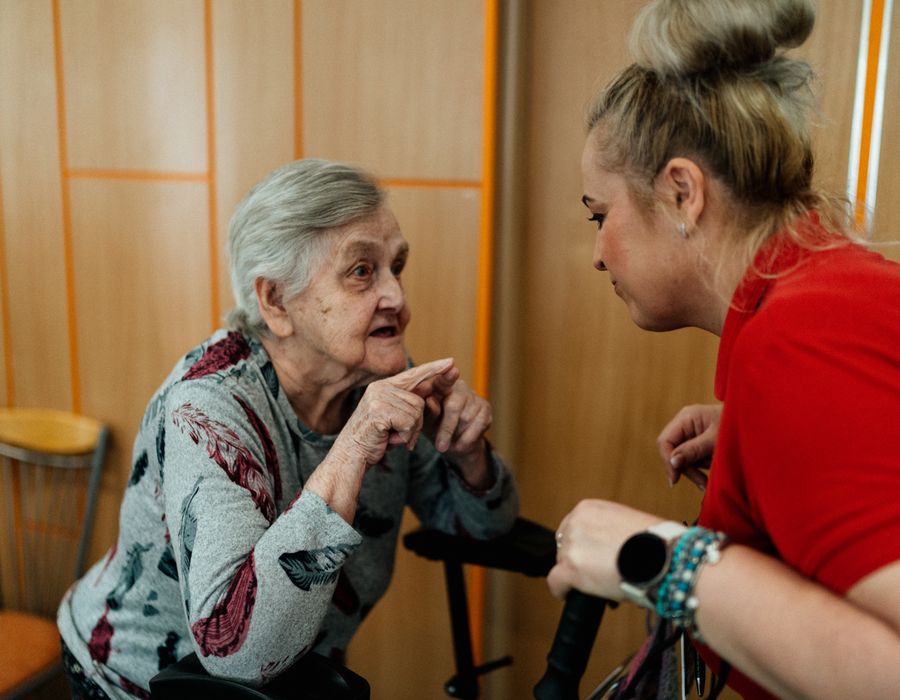
Five minutes of someone's real story turns a task into a relationship. Caregivers walk in already knowing the tractor in the parade, the recipe, the first dance — the resident stops being a room number, and care quality rises because the person is visible.
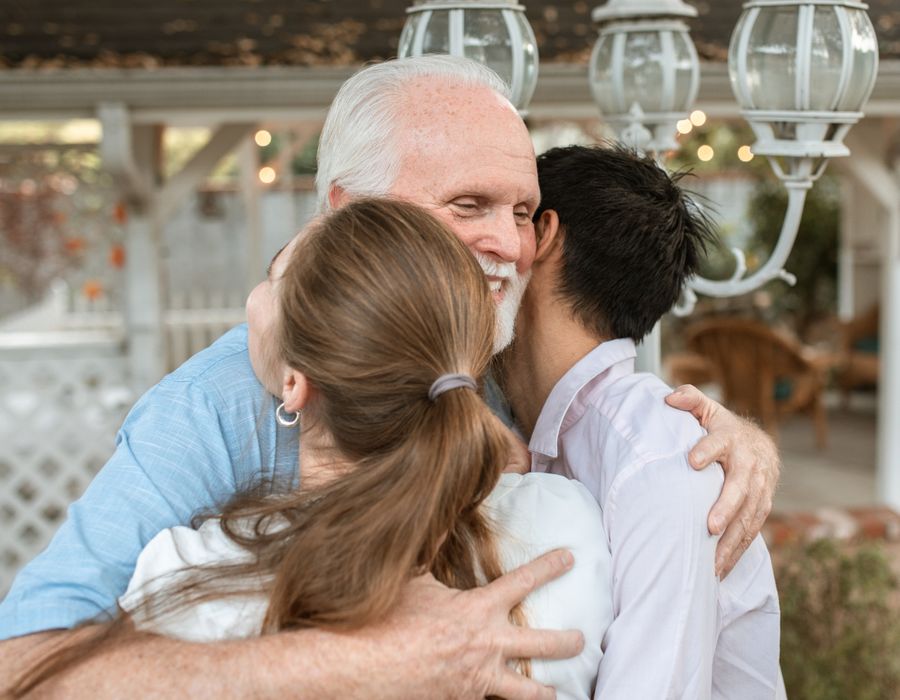
Loved ones get a private page to hear everything their resident records — and to leave voice messages back. Connected families stay close, and they leave the reviews that protect your census. Always free.
The fourth winner: your community
Satisfaction follows recognition. When residents are asked about their lives and hear their own stories celebrated, they feel seen — and that shows up on your surveys.
Families — not residents — write the reviews and renew the contracts. A private page where they hear a parent's voice and reply back gives them a reason to stay engaged: the engagement behind the reviews prospective families read.
No transcript-wading. Your activity director opens one digest instead of running fifty interviews — Porchlight does the listening, your team does the connecting.
Reminiscence and person-centered care are the documented standard. Porchlight does the prep, so they actually happen — without adding to anyone's workload.
Why it matters
When staff know who a resident really is, interactions get warmer, agitation eases, and the resident holds onto their sense of self — the quality-of-life outcomes person-centered care is built to deliver. In 2023 the U.S. Surgeon General warned that social disconnection is a serious risk to physical and mental health (Our Epidemic of Loneliness and Isolation); older adults in care settings are among the most exposed.
Porchlight closes the gap: every resident is known by the team caring for them, and their family stays close — being known is good for you, and staying connected is good for you.
The case for your story
An ordinary life is worth keeping. It belongs to the family. When the people caring for you know it, care gets warmer. Read the whole series (19 articles).
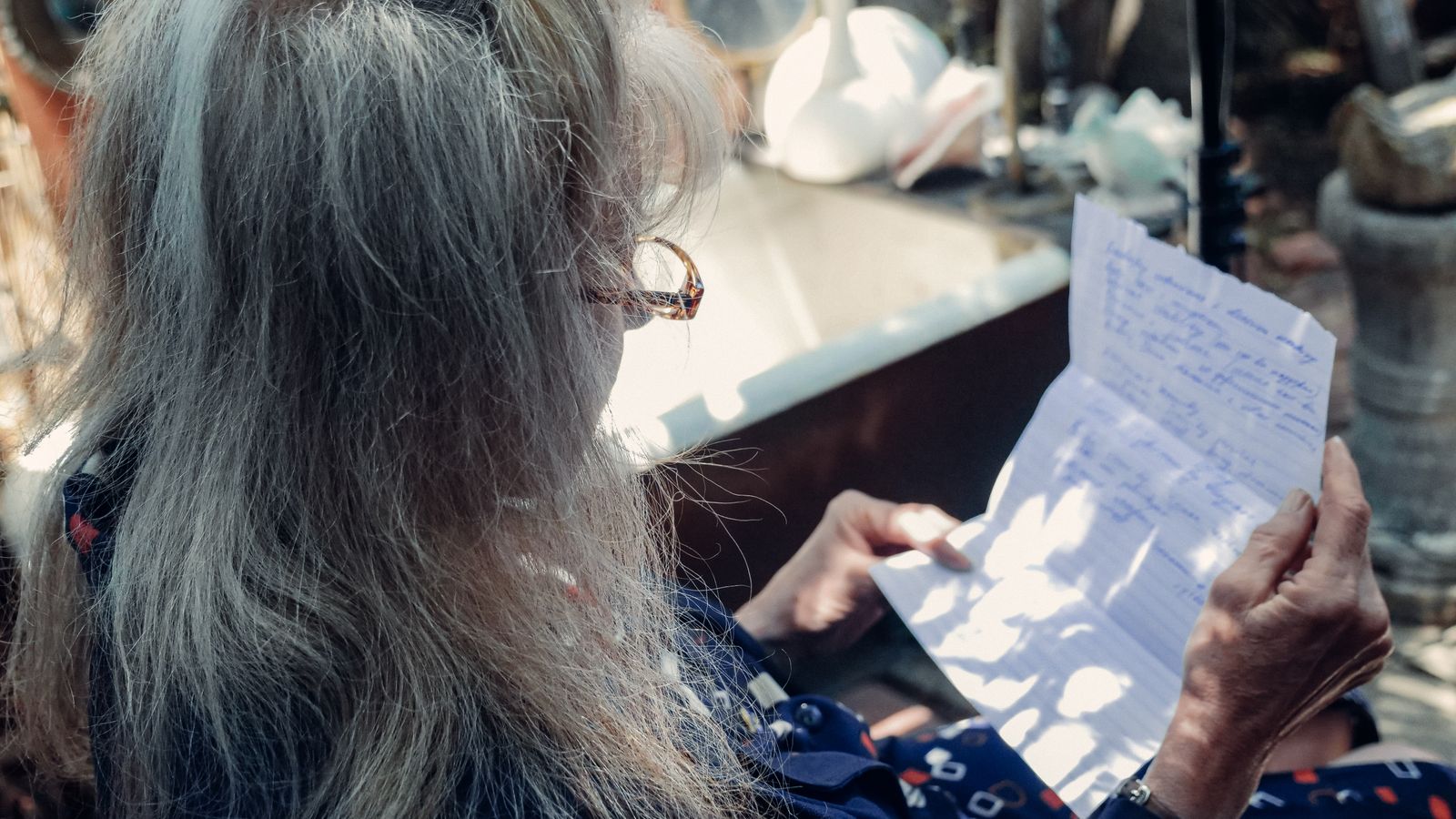
Memoirs aren't only for the famous. What telling your life does for you, honestly, and how to start.
Read the article →
The strongest evidence for a life story is what it gives the family left holding it.
Read the article →
Knowing the person is where good care starts. The evidence, the catch, and the four conditions that make it work.
Read the article →A story told, kept by family, known on the next shift, kept current. How each link usually breaks, and how we designed for it.
Read the article →Everyone on the porch. One piece for each person a resident's story touches: see them all.
For residents · For spouses · For families · For grandchildren · For CNAs & caregivers · For activity directors · For directors of nursing · For memory care directors · For social workers · For the whole team · For executive directors · For sales & marketing · For small care homes · For volunteers · For hospice and chaplains
The case for it
Written for activity and executive directors — the real mechanics of why knowing a resident's story moves the metrics you're measured on.
Satisfaction scores follow recognition. How surfacing a resident's own stories — daily — makes them feel seen.
Read the article →
Hand a caregiver one true detail about a resident's life and the whole interaction changes.
Read the article →
The documented standard, with the labor removed so the evidence base becomes your everyday.
Read the article →
Families, not residents, write the reviews and renew the contracts. How connection protects census.
Read the article →
The Surgeon General called loneliness an epidemic. Being asked to tell your story is a direct reply.
Read the article →For caregivers and families
Seven practical reads for aides, life-enrichment teams and adult children, expanded from the conversation with Dr. Jeff Armstrong.
The care plan tells you what someone needs. It does not tell you who they are. Here is what to learn before you walk in, why it matters most right…
Read the article →
The move was the right call. The guilt came anyway. Here is what actually keeps a family connected to a parent in a care community when the visits…
Read the article →
The facts of a life fit on an index card. The voice telling them is the part your family will reach for later, and it is easier to save than you…
Read the article →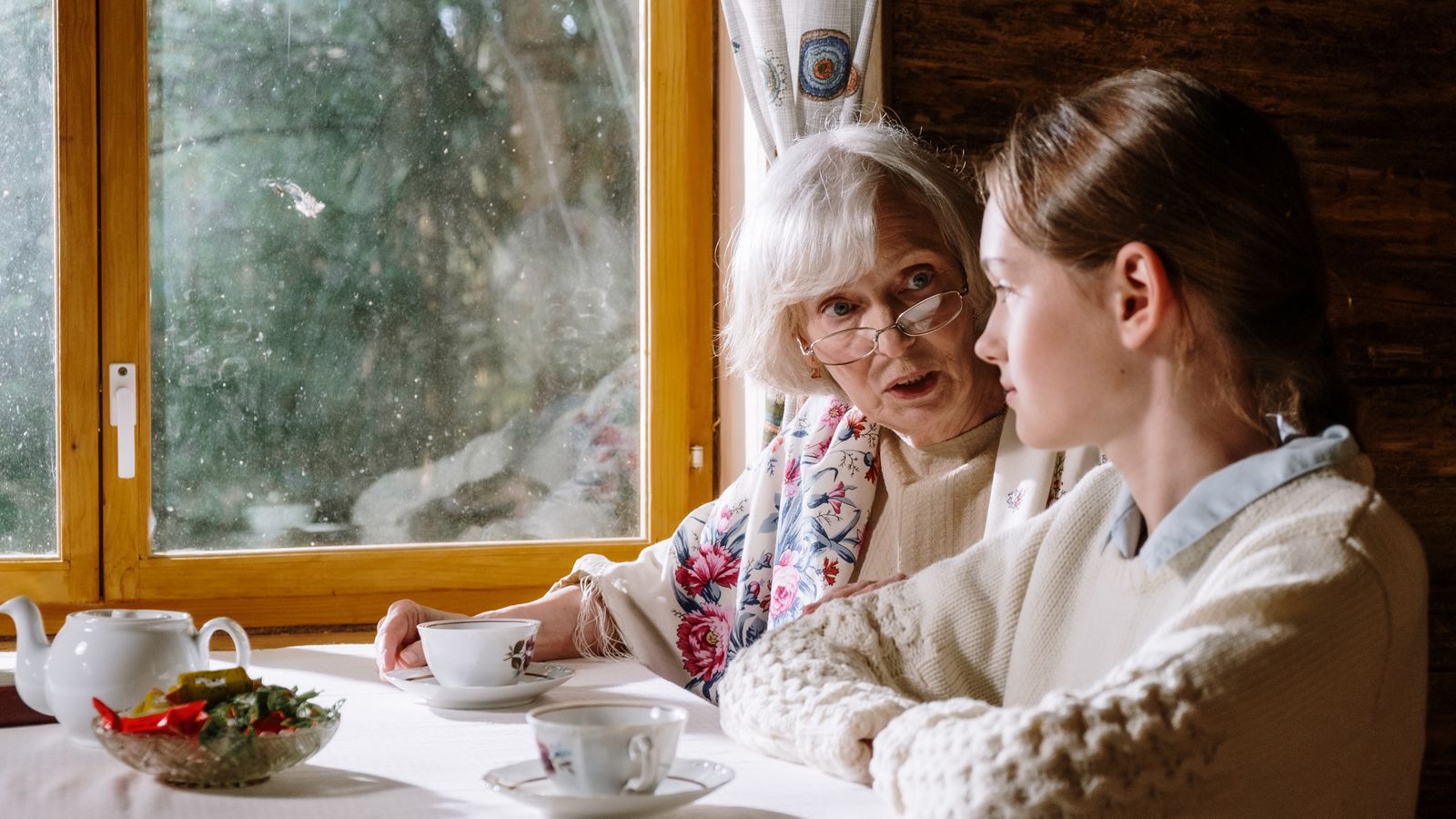
How to get an older adult to share their life story when they insist it is not worth telling. Why people resist, how to start small, twelve gentle…
Read the article →
When a resident can no longer answer questions, the story does not have to stop. A loved one can tell it beside them, and a smile at the right…
Read the article →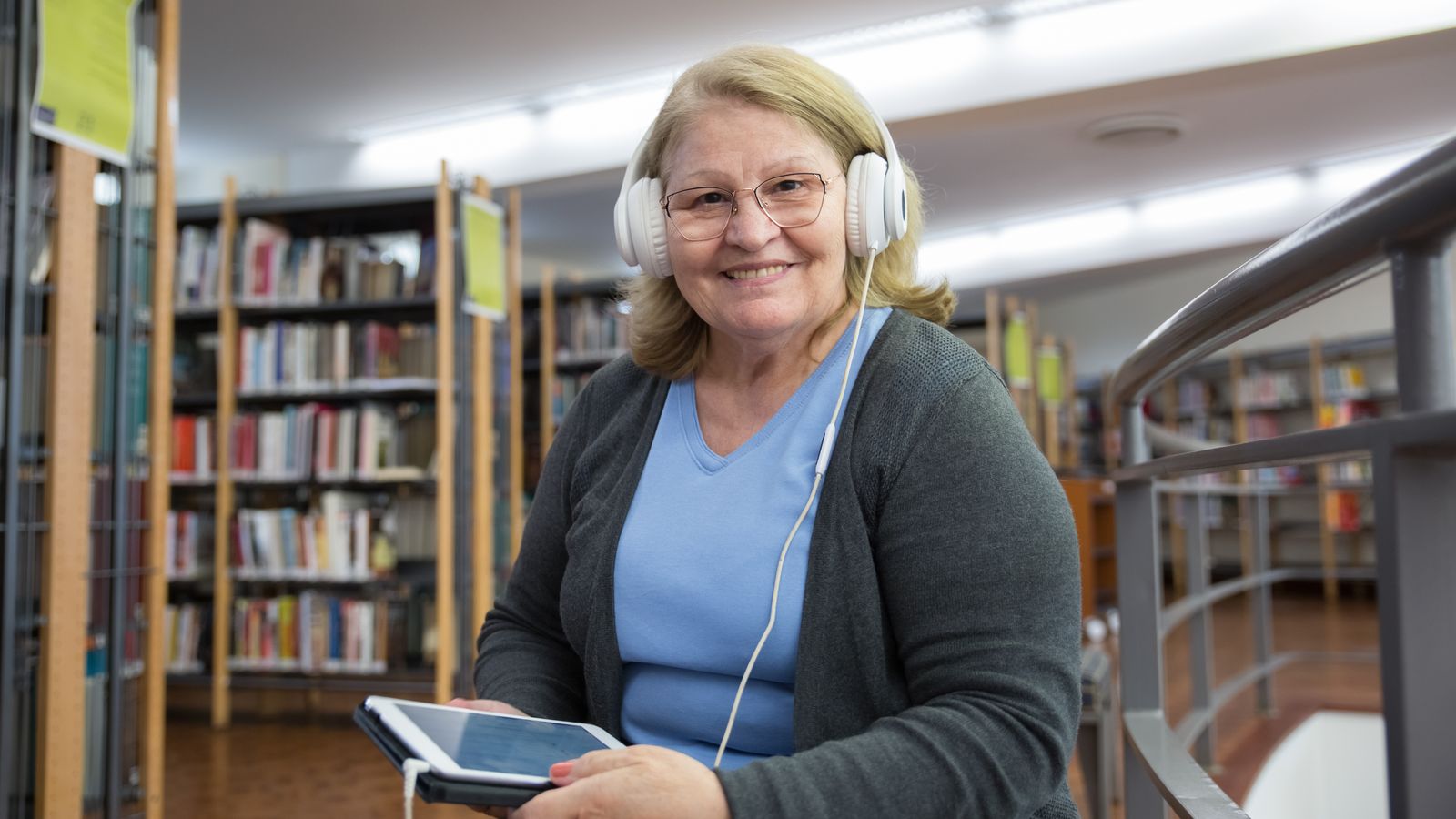
Most “senior-friendly” technology is ordinary technology with bigger fonts. The tools that residents actually use are built the other…
Read the article →
AI is very good at writing things down and very bad at knowing when it is wrong. For caregivers, that difference decides where it belongs.
Read the article →Reminiscence therapy library
A practical, source-cited library for activity directors, memory-care teams, and families: what reminiscence is, what the research really shows, and how to run it well.
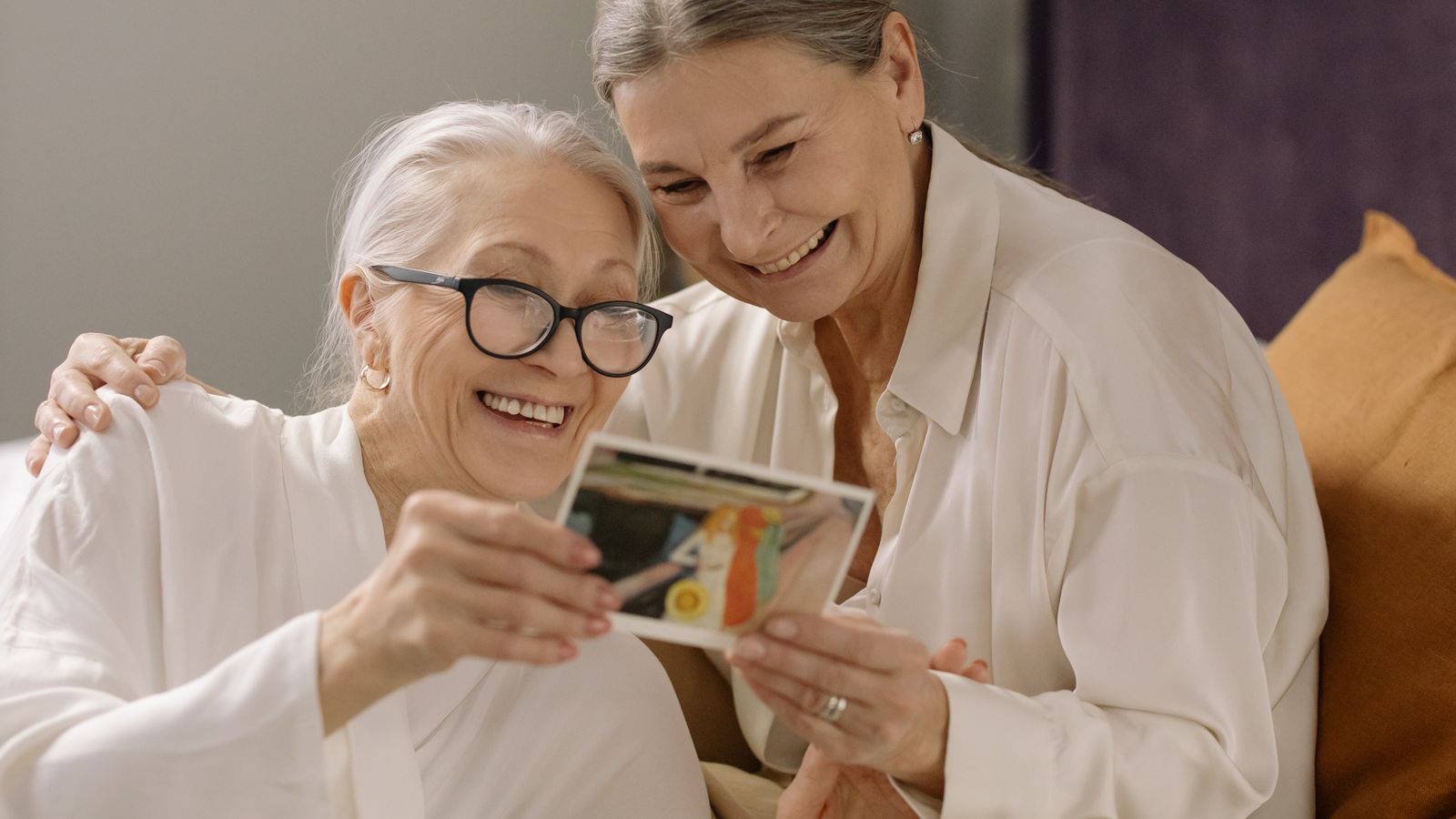
Definitions, the honest evidence, how to run it individually and in groups, and how to keep it safe.
Read the article →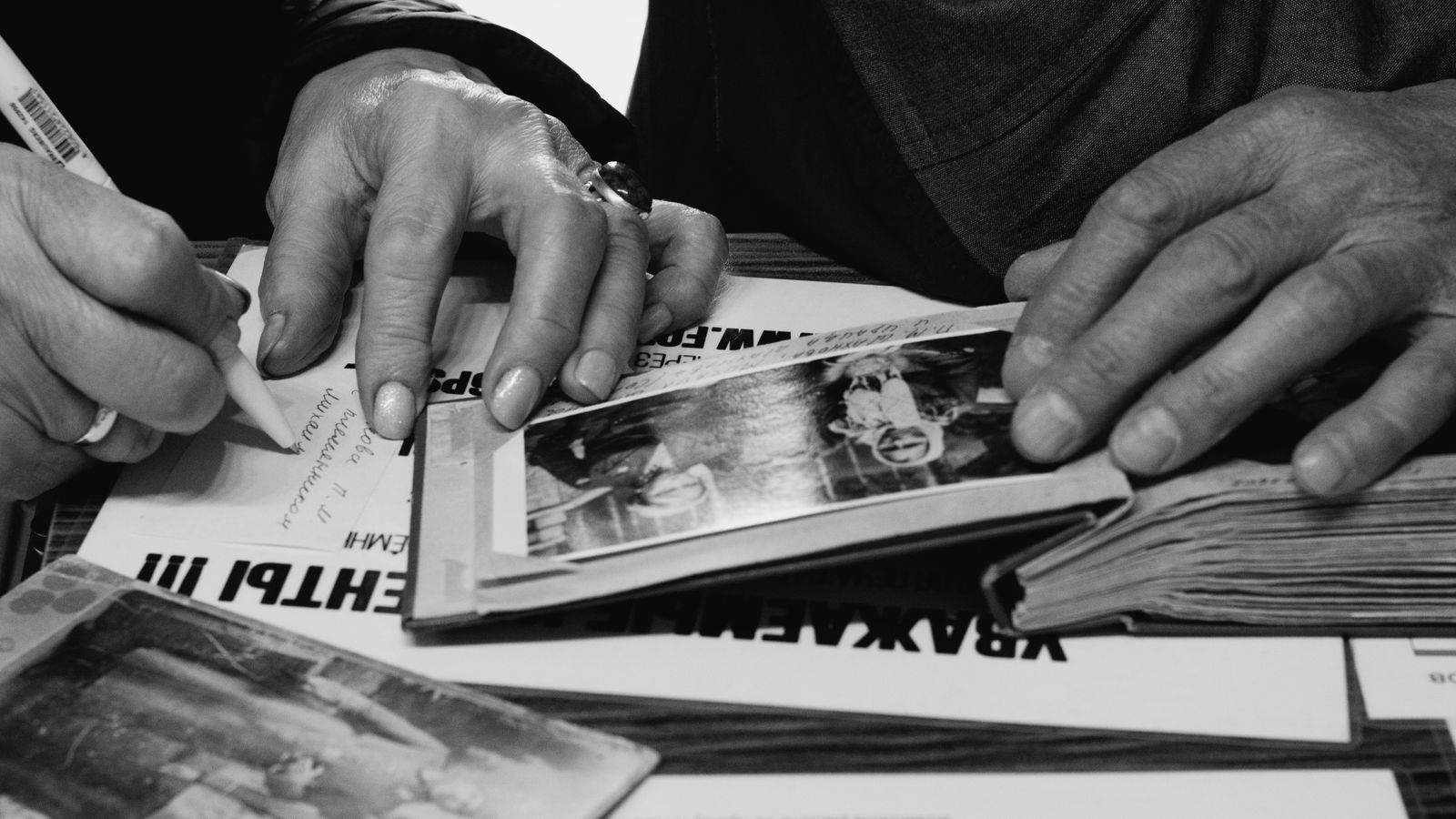
Cochrane, REMCARE, and the trials behind the claims, in plain language.
Read the article →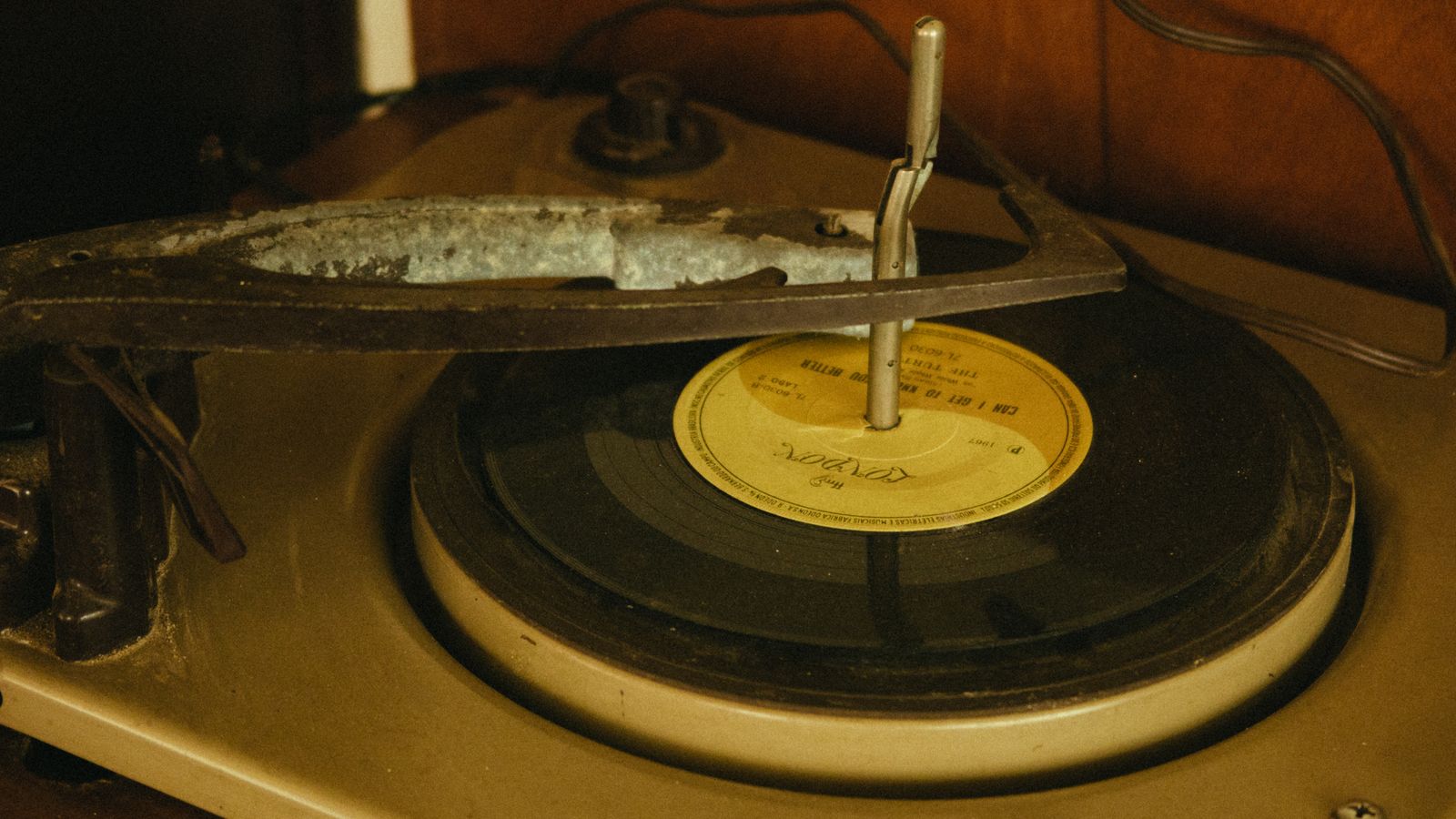
Photos, music, objects, food and places, matched to each stage of dementia.
Read the article →
Printable cards for Thanksgiving, and how to keep the answers in their own voice.
Get the cards →
And how to ask them so it feels like a conversation, not a memory test.
Read the article →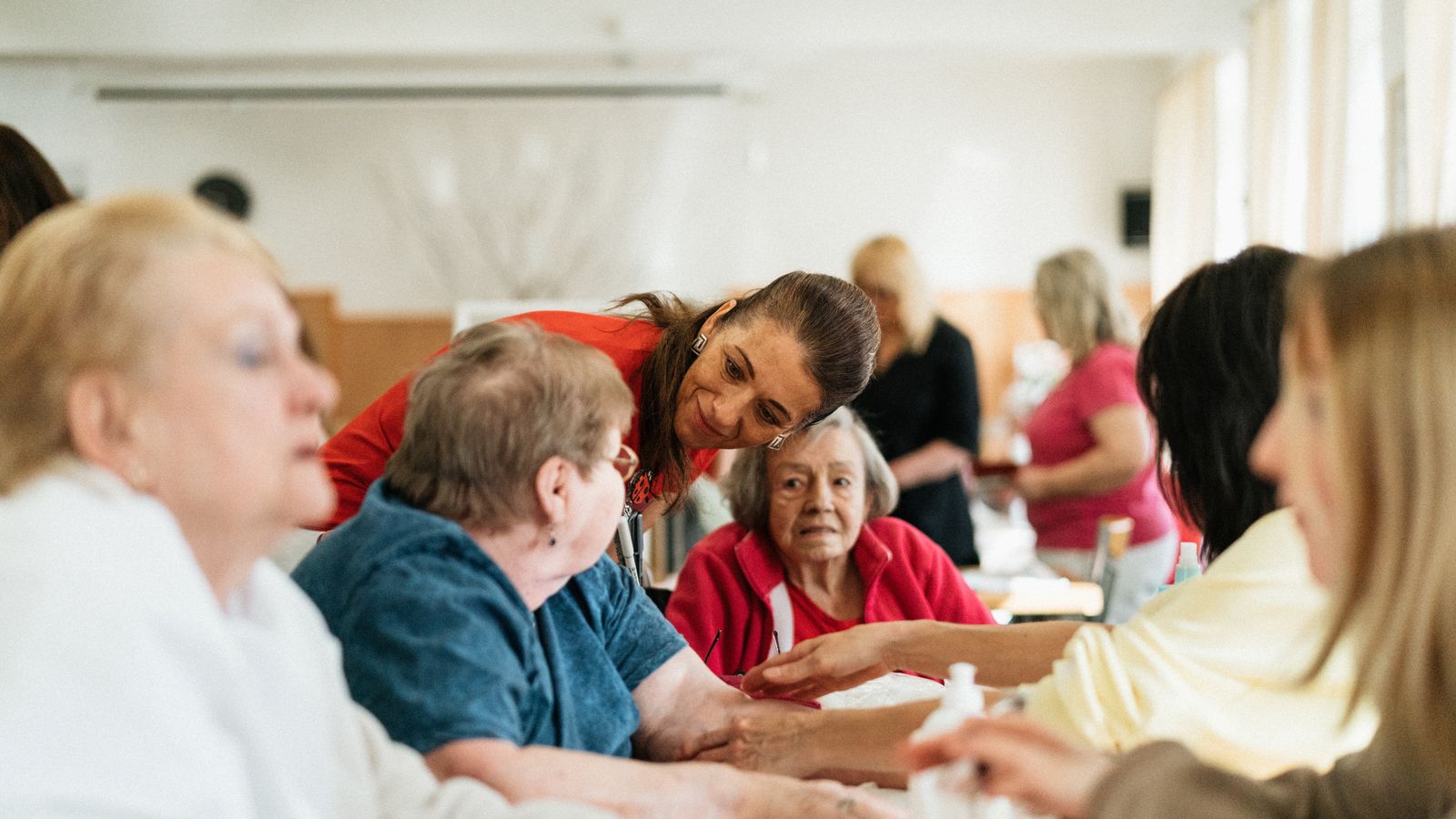
Room setup, session anatomy, facilitator lines, and what to do when someone cries.
Read the article →
Butler, Erikson, Haight, and when to use which.
Read the article →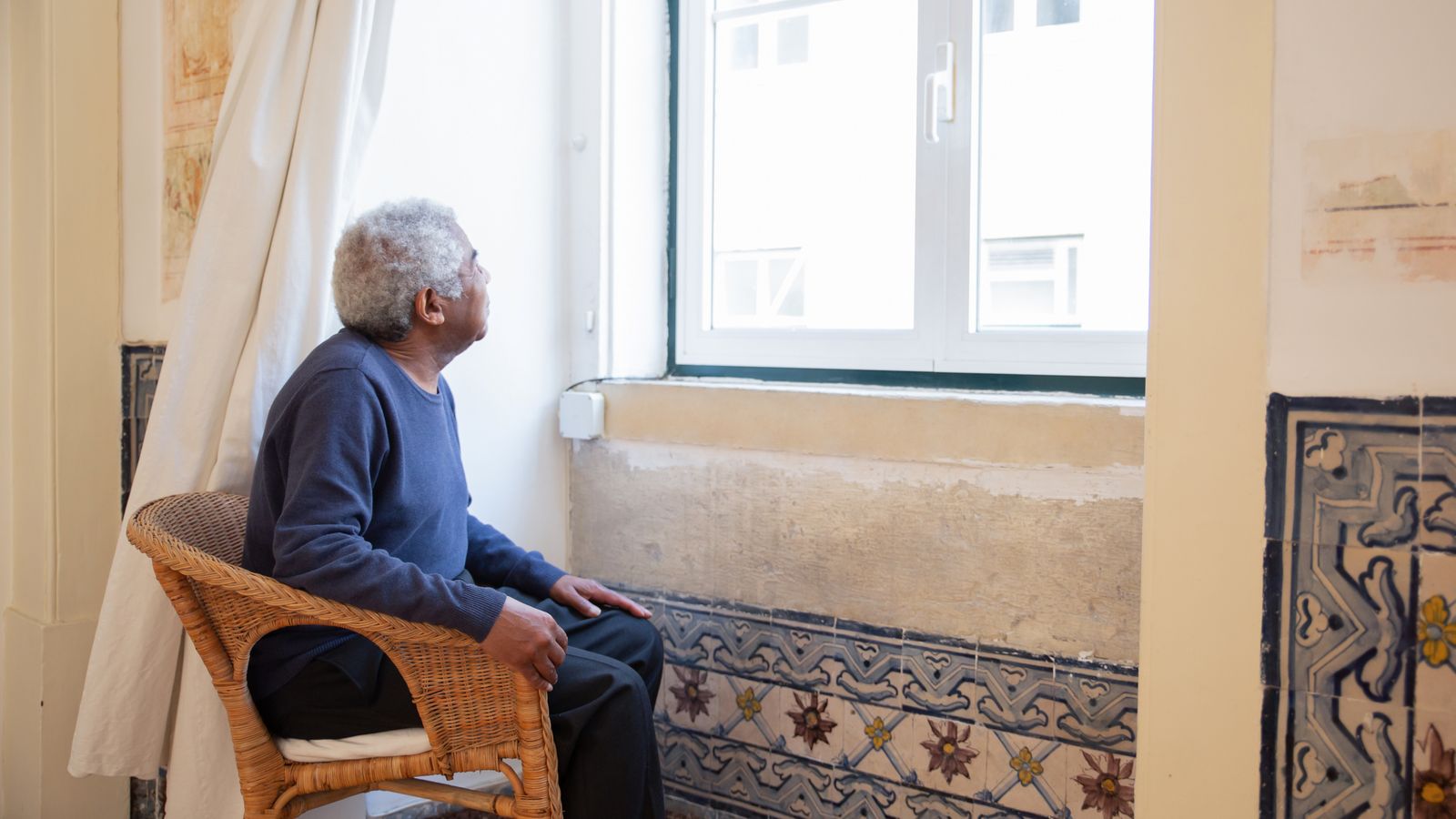
Grief, trauma, rumination, consent, and when to bring in a clinician.
Read the article →
Tablets, recordings, VR and AI, and a checklist for judging any product.
Read the article →State rules
Assisted living assessment, service plan and activities rules for all 50 states and DC, with the official text quoted and linked. See every state →
Built for real communities
Designed for assisted-living, independent-living, and early-stage memory care. One big button, large type, questions read aloud — and staff or family can sit alongside a resident who needs a hand. No typing, no app store, no passwords.
No. Residents record on their own time; your team reads the stories on the Today page and in the weekly digest. Porchlight does the interviewing and the writing-up — the labor that used to make person-centered care impossible to scale.
The community owns its data. Recordings are private to the resident, their invited family, and your staff — never public, never sold. A resident or their representative can opt out or have stories removed at any time. See our privacy and data-processing terms.
The questions are written by people, not generated on the fly: warm, reminiscence-style life questions about childhood, family, work, the places that mattered. AI works behind the scenes to transcribe answers and draft summaries for staff and family. Any question can be skipped with one tap, and everything stays well inside everyday conversation. And we set your community up personally — you're never alone with it.
Pricing built around your community
No two communities are the same, so we don't make you pick from a table. Create your account and a real person will call you, learn your census and your goals, and agree a single monthly number that's obviously fair — in writing, before you're billed a cent. Billed to the community — never to the family.
Watch your residents settle in, your staff connect from day one, and your families lean in. Create your account and start your full-access demo now — a real person will reach out within one business day.